
When 15 oral health professionals got real about longevity with someone aging 34% slower than the average human, we discovered why your voice is more vital than ever.

The world is buzzing with longevity hacks, bio-optimization, and the quest to outsmart time. While tech billionaires invest millions in cutting-edge (and often questionable) anti-aging solutions, a quiet revolution is happening at the intersection of everyday health and profound systemic change.
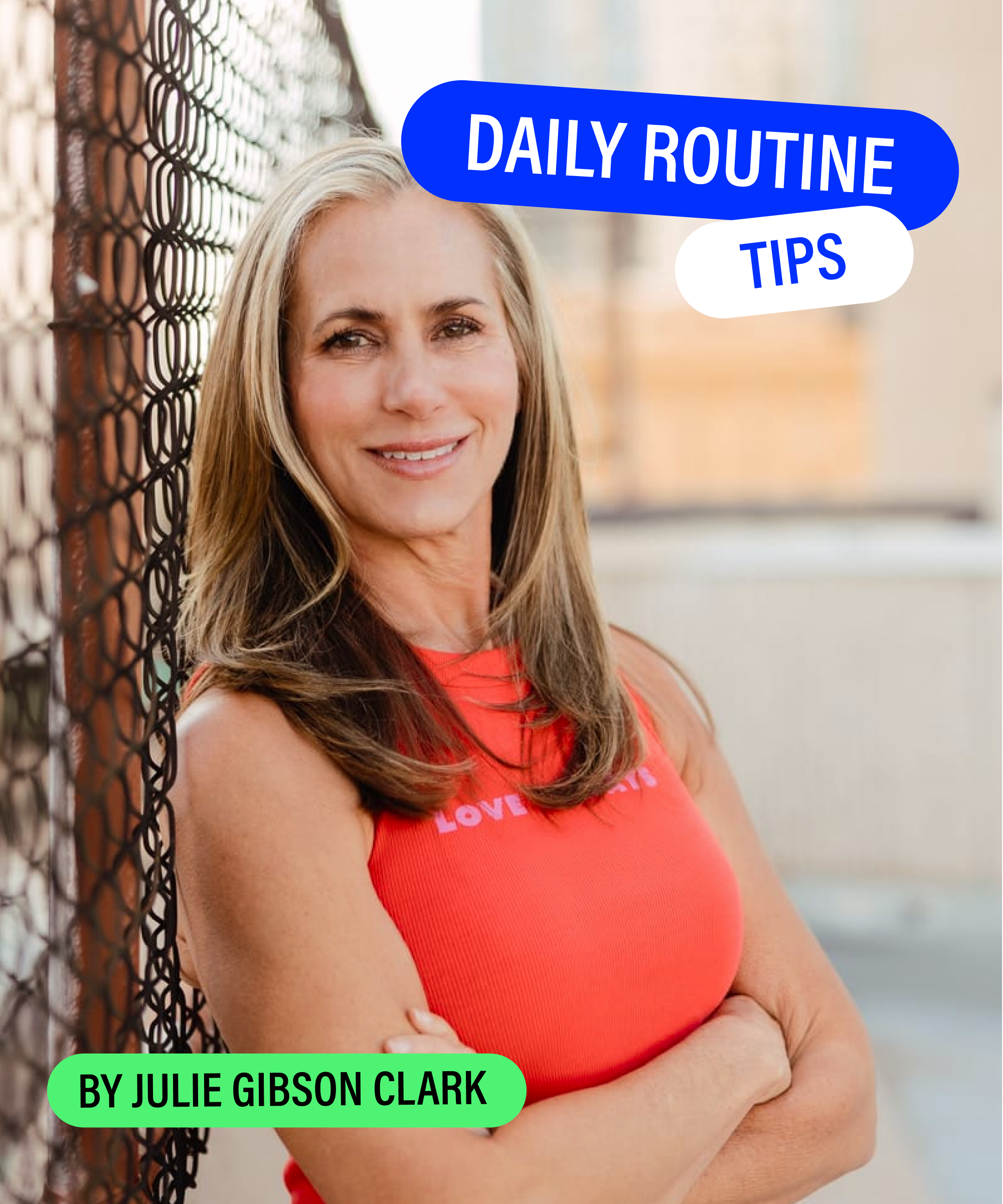
Recently, Curiosity.space gathered 15 pioneering oral health professionals —hygienists, therapists, periodontists, and other practitioners from around the globe— for an electrifying conversation about longevity, systemic health, and the undeniable impact of the oral-systemic connection. The star? Julie Gibson Clark, a longevity expert that ages 34% slower than the average human.

Imagine that: outpacing tech bros who spend millions on plasma transfusions and clinical-grade supplement stacks, all with a more grounded approach.
We learned about the often-hidden oral-systemic patterns, the lifestyle interventions that truly move the needle, and the clinical observations that rarely make it into standard CE courses, but absolutely should.
Julie's journey: From burnout to biohacker

Forget cryo-chambers or $2 million-a-year wellness labs. Julie Gibson Clark's story is a testament to human resilience and biochemical understanding. Her journey to aging 34% slower than the average person began not in a fancy clinic, but during a profound personal breakdown.
After a divorce, a career crash, and severe depression, she was prescribed antidepressants and antacids "for life." But Julie knew that wasn't her path.
Instead, she explored naturopathic medicine. Eliminating dairy and wheat led to a 25-pound weight loss in two weeks. Her debilitating acid reflux vanished. Targeted supplements replaced antidepressants. But the journey wasn't over.
Chronic fatigue and hair loss prompted a heavy metals test, revealing a body loaded with mercury and tungsten — likely from old dental fillings and fish consumption. A round of chelation therapy didn't just remove toxins; it permanently lifted her mood.
Some of these treatments are controversial and most lack scientific evidence, but for Julie they made sense and brought about an improvement.
Beating the tech bros
Julie's data-driven approach culminated in the Rejuvenation Olympics, an anti-aging competition founded by Bryan Johnson (yes, the one with the plasma transfusions). The benchmark: DunedinPACE, a cutting-edge test measuring your pace of aging based on DNA methylation.Julie's score? An astonishing -34%.
Her cells are aging at two-thirds the speed of the average person – even slower than Bryan Johnson's, all without his multi-million-dollar budget. This wasn't achieved with extreme medical interventions, but with disciplined lifestyle choices: nutrient-dense vegetables, invigorating cold showers, daily workouts, dedicated stillness, and green tea.
Curious about Julie's routine? Find out more about her daily habits.
The conversation continues: What our community discovered
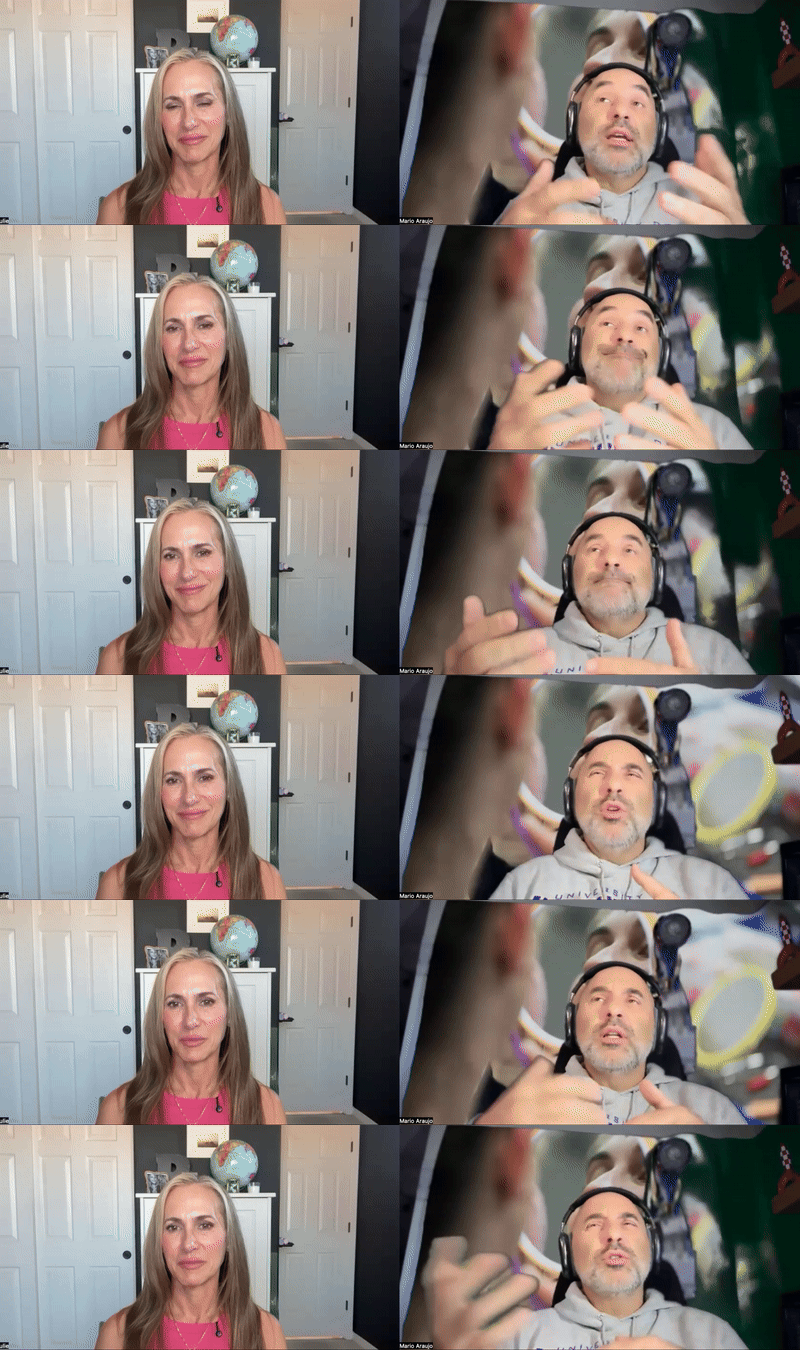
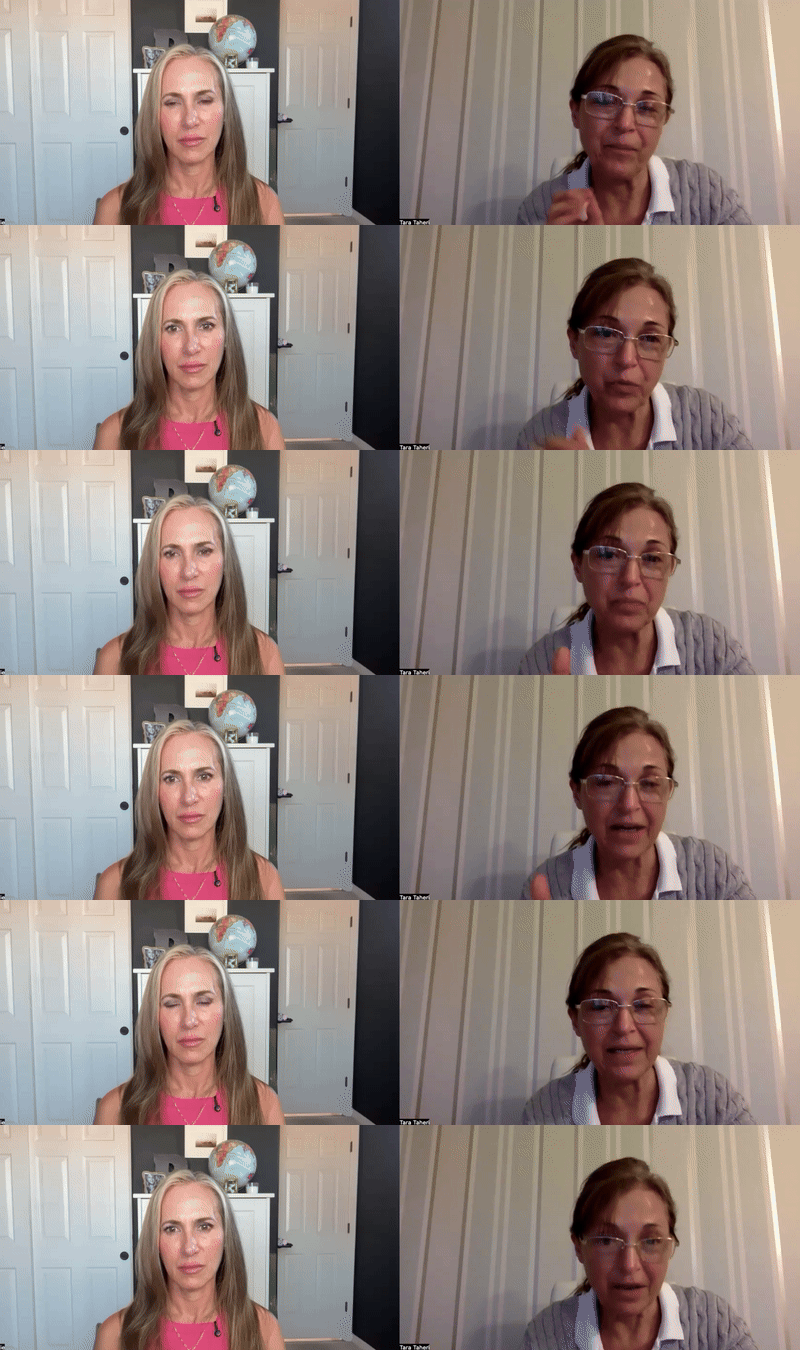
Julie's insights sparked a vibrant discussion among our oral health professionals. It wasn't "bro science"; it was a deeper dive into the practical application of holistic health in real-world practice.
The Conclusion: It's time to put the mouth back in the body
The insights from Julie and our community crystallized a clear message: A powerful movement is building, and it's fundamentally reframing how we talk about teeth and total body health.
- "Put the mouth back in the body" isn't just a slogan — it's a scientific and clinical imperative.
- We are often the first line of defense; we see patients more frequently than general practitioners, making our role pivotal in early detection and intervention for systemic issues.
- The most high-performing professionals don’t just scrape and polish. We build therapeutic relationships, transforming transactional appointments into genuine partnerships for health.
- In progressive countries like Australia and Singapore, this paradigm shift is already underway, replacing the outdated divide between "hygienist" and "therapist" with the comprehensive role of the Oral Health Therapist.
🙋♀️ Add your voice to the conversation
We're launching our latest poll to hear your thoughts and experiences. Share your insights in our quick survey, we'll feature selected responses in our "Curiosity 100" series.