
For prevention to be more than just an afterthought, it needs to be embedded in the foundation of your practice. That means examining how you schedule appointments, name your services, how your team collaborates, and how you market yourself. Anna Middleton explains how reframing prevention can transform your business.
Key takeaways
Focusing on prevention will make your practice stand out
By delivering great patient experiences, you can build trust, loyalty, and open the door to wants-based dentistry.
Rethinking your practice has to be a team effort
For changes to take root, everyone needs to be on board. Working together on a prevention-led redesign is an opportunity for open dialogue, which in turn will strengthen your team.

Make time for prevention by restructuring your appointments
If prevention is being sidelined due to short, back-to-back appointments, it is time to reassess your scheduling. Recognise that prevention conversations and education take time.

Rename your services to change patient perceptions
Consider how you describe the services you provide. Rename treatments and procedures to reflect their clinical value. This will help your patients understand why they are important, what they are paying for, and how they differ from the dental appointments they are used to.

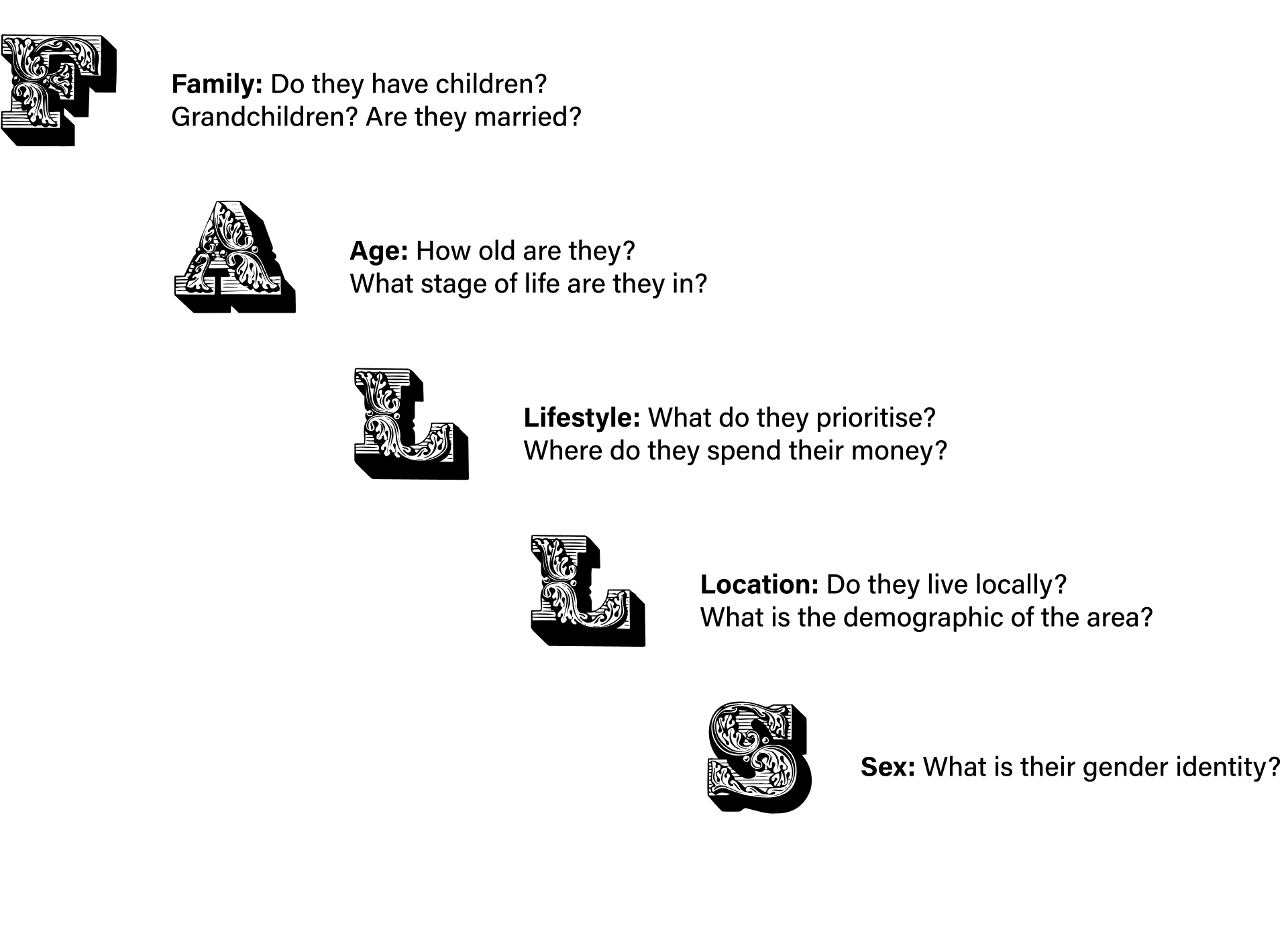
Identify your “preferred patient”
When marketing your practice and services, be mindful of who you are talking to. Do you already have a clear niche? Great! But even if your goal is to welcome patients from all walks of life, you are likely to find that your team is especially passionate about reaching certain patient types. Lean into this.
Use the FALLS principle to identify your preferred patient:
Up next: How to make prevention feel essential (without overwhelming your patients)