
TikTok, Instagram, and health blogs are exploding with it: people are literally taping their mouths shut at night—supposedly for better sleep, more energy, and less snoring.
Sounds like just another viral health trend at first... but a recent 2025 systematic review of 10 different studies has finally looked into the actual science behind it.
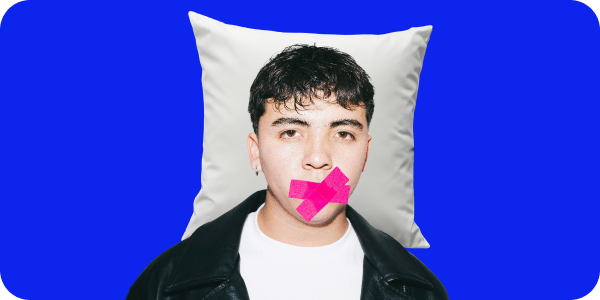
Why are people taping their mouths shut anyway?
The idea is actually pretty simple: When we breathe through our nose instead of our mouth, our body filters and humidifies the air better. Nasal breathing also activates the parasympathetic nervous system – the part of your nervous system responsible for rest and regeneration.
Some fans report:
- They wake up more rested
- They snore less
- Their mouth isn't dry anymore in the morning
- They feel overall "clearer" and more relaxed
Sounds like some kind of tape magic. But does it actually work?

The Potential Benefits of Mouth Taping
- Promoting Nasal Breathing: Your nose is a genuine bio-wonder: it warms, filters, and purifies the air. Taping encourages this natural pattern, provided your nasal passages are actually clear.
- Less Mouth Dryness: Many people wake up with a dry mouth from open-mouth breathing. The studies confirm that mouth leaks are significantly reduced when the mouth is occluded.
- Potentially Less Snoring: For some, snoring is tied to mouth breathing. Research shows a significant reduction in the Snoring Index for specific groups
But hold on – what are the risks?
Here's where it gets serious: Mouth taping isn't for everyone. The 2025 review warns that there is a potentially serious risk of harm for individuals who try this blindly.
⚠️ Important warnings ⚠️
- Nasal obstruction: If your nose is blocked due to allergies, a deviated septum, or tonsil issues, forcing your mouth shut can lead to asphyxiation.
- Sleep apnea: While some mild cases saw slight improvements, mouth taping is not recommended for those with moderate to severe OSA, as it can be more dangerous than beneficial.
- Vomiting risk: In rare cases of nighttime nausea, a taped mouth prevents you from expelling stomach contents, creating a dangerous risk of aspiration.
- Anxiety: Some people experience claustrophobia or panic when their mouth is taped.
What does the science actually say?
The research is... limited and, frankly, poor quality across the board. While small studies suggest it might help some healthy nasal breathers, the evidence isn't strong enough for a general recommendation.
What we DO know from science:
- Nasal breathing is generally healthier than mouth breathing.
- Chronic mouth breathing can lead to dental issues and sleep disruption.
- In the study, significant AHI (apnea) improvements were only seen in patients with mild sleep apnea who had zero nasal obstruction.

So, should your patient really try it?
If your patient is curious, here is the smart approach you can guide them through:
- Consultation is non-negotiable: They must talk to you, their dentist, or their doctor first, especially to screen for underlying sleep apnea or nasal pathology.
- Start with specialized tape: Use medical-grade, porous patches designed for this – never duct tape.
- Test during the day: See how it feels for 15 minutes while awake before committing to a full night.
- Address the root cause: If a patient is a chronic mouth breather, work with an ENT to understand why their nose isn't doing its job
The bottom line
Mouth taping isn't a magic fix, and it's definitely not for everyone. For most people with sleep-disordered breathing, the existing data simply does not support it as a sound clinical intervention.
The key takeaway for your patients? Don't follow one-size-fits-all trends blindly – follow professional advice tailored to your body.