
The foods we consume shape the microbial communities that live within us. For many patients, the modern diet poses a serious threat to oral health. Processed foods, refined sugars, and excessive animal-based fats fuel the growth of harmful microbes like Streptococcus mutans and Porphyromonas gingivalis, which drive both caries and periodontal disease.
Key risks:
- Sugary beverages and processed carbs → lower oral pH, promote acid-producing bacteria-like S. mutans, a major caries pathogen
- Saturated fats from processed meats/dairy → fuel systemic inflammation
- Frequent snacking → shortens recovery time for oral pH and saliva balance
The result: A microbial environment that favours pathogenic biofilm maturation, inflammation, and disease progression.
A diet that supports oral health
Researchers have identified key dietary components that foster a resilient oral microbiome:
| Dietary Component | Why It Helps |
|---|---|
| Polyphenol-rich foods | Green tea, berries, dark chocolate → suppress pathogens & regulate inflammation |
| Dietary fibre | Found in legumes, veggies, whole grains → nourishes good bacteria, supports SCFA |
| Fermented foods | Yogurt, kefir, miso, kimchi → introduce probiotics, stabilise microbiome |
| Omega-3 fatty acids | Salmon, flaxseeds, walnuts → anti-inflammatory, support gum health |
Together, these foods promote microbial diversity, reduce inflammation, and support both oral and systemic immunity.
The role of biotics
In addition to whole foods, targeted biotic interventions can support microbial balance, especially in high-risk patients.
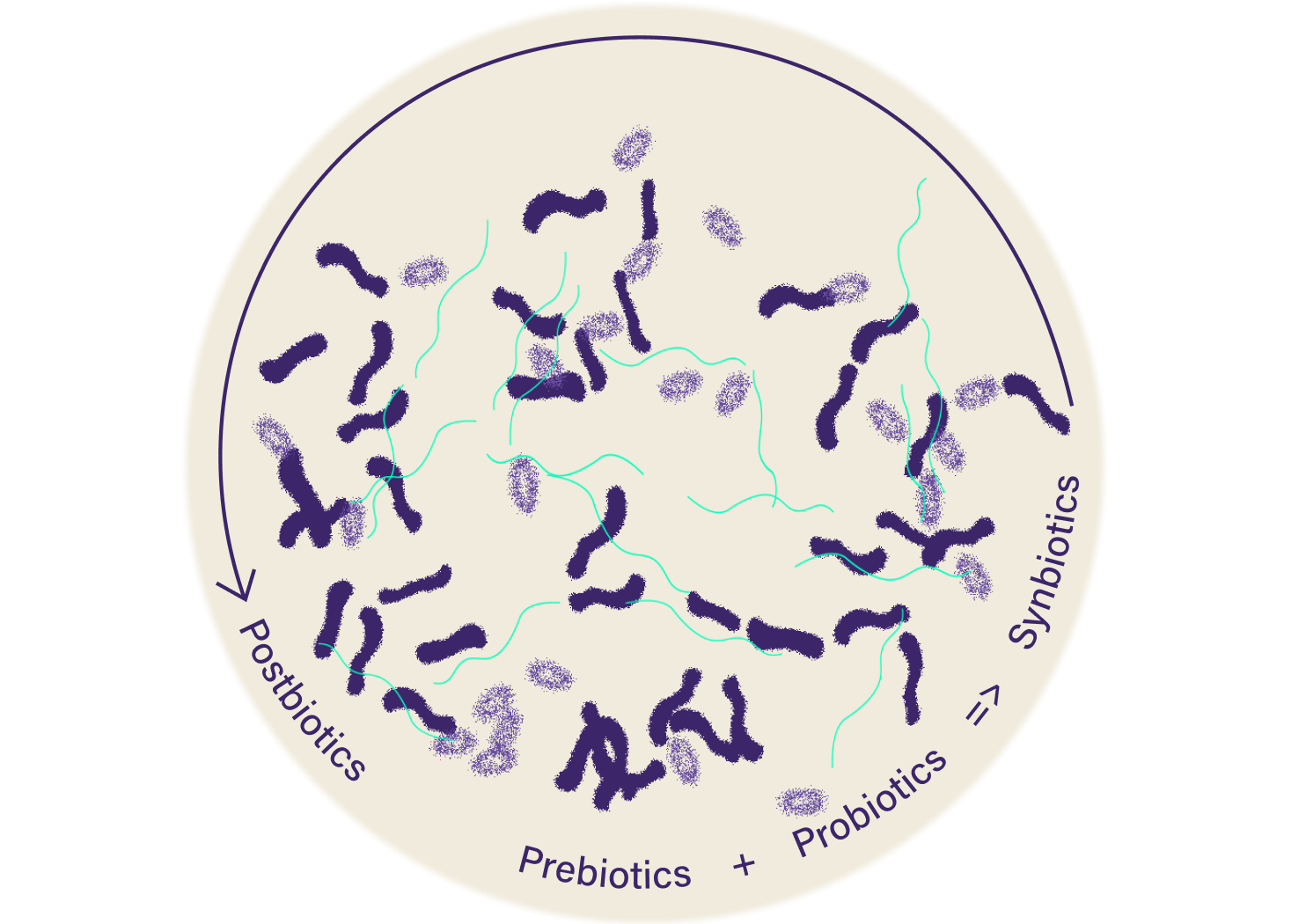
Prebiotics
Prebiotics are non-digestible fibres that feed beneficial bacteria.
In the oral context:
- Arginine (nuts, seeds, whole grains) → neutralises acid, fosters protective microbes
- Nitrates (from leafy greens like spinach and beets) → enhance nitric oxide production → antimicrobial + anti-inflammatory
- Xylitol (sugar-free gum) → selectively inhibits S. mutans, supports oral balance
Note: While xylitol is not a true prebiotic, it has a prebiotic-like effect in the mouth.
Probiotics
Probiotics are live microorganisms that can colonise the oral cavity and benefit health:
- Reduce inflammation
- Compete with harmful bacteria for space/nutrients
- Produce antimicrobial compounds
Clinical strains include:
- Lactobacillus reuteri
- Bifidobacterium lactis
- Streptococcus salivarius
Sources: yogurt, kefir, kimchi, sauerkraut
Synbiotics
Synbiotics combine probiotics and prebiotics for enhanced effectiveness.
Examples:
- Kefir smoothie with bananas (live cultures + fibre)
- Miso salad dressing paired with leafy greens (probiotic + nitrate-rich)
These combinations create an ideal microbial environment for beneficial species to thrive.
Postbiotics
Postbiotics are the metabolic byproducts of probiotic action.
They offer:
- Antimicrobial effects (e.g., bacteriocins)
- Anti-inflammatory support (e.g., short-chain fatty acids like butyrate and acetate)
Postbiotics help regulate immune responses and suppress disease-causing microbes—and are now being explored in oral care products like mouthwashes.
What this means for oral health professionals
The clinical relevance of diet is becoming impossible to ignore. Educating patients about how food shapes their microbiota may be just as important as brushing and cleaning their interdental spaces.
For high-risk patients (e.g.):
- Recurrent cavities
- Dry mouth
- Periodontitis
- Systemic inflammation (e.g. diabetes, cardiovascular disease)
Consider:
- Recommending fermented foods or oral probiotics
- Suggesting postbiotic mouth rinses for added microbial regulation
- Tracking oral health improvements alongside dietary shifts
Even simple conversations, like reducing processed sugar or increasing leafy greens, can empower patients to take an active role in their well-being.
Up next: Nutrition and the oral microbiome in practice: Actionable insights with Dr. Thompson