
Every oral cancer patient is different. Some have no tongue, no nose, or parts of their jaw removed. Yet we meet them where they are and support them however you can.
“The days vary hugely, but the work is always deeply meaningful,” adds Joss Harding, dental hygienist and president-elect of the Mouth Cancer Foundation.
In the first part of our interview for Mouth Cancer Awareness Month, Joss focused on the role of oral health professionals in cancer awareness and prevention. In this second part, we dive into caring for patients who have already been diagnosed.
You’ll find out why dental care is so crucial, how nutrition plays a role, the must-dos (and what’s absolutely off-limits), and what a typical day looks like for a dental hygienist working with these patients.

Why is pre- and post-treatment dental care so important for patients with oral cancer?
Ideally, we want patients to have good oral hygiene before treatment begins, but that’s not always realistic. Sometimes I tell them, “Eat and drink whatever you can now,” because once radiotherapy or chemotherapy starts, many lose weight and their mouths get sore. Basic things like brushing can become almost impossible and often fall to the bottom of the priority list – and that’s okay. The main goal is getting them through treatment.
We still hope they can manage a gentle brush or a bit of mouthwash, but if not, we focus on rebuilding good habits once their mouths start healing. This is usually about two weeks after radiotherapy ends.
For some patients, oral care was never part of their routine. They may have avoided the dentist, struggled with addiction, or couldn’t afford basic supplies. Treatment becomes an opportunity to help them perform the essentials and care for their oral health as well as possible.
How do you approach that care?
It depends on multiple factors. First, if they've had radiotherapy, they qualify for high-fluoride toothpaste for life. From there, it’s really about building a relationship and understanding what each patient can manage.
Second, side effects can last up to three months after treatment. Anything that appears after that is considered a late effect, and these can show up months or even years later. There are around 60 possible late effects, and every single one requires a different kind of care.
What about daily comfort issues like dry mouth or bad breath?
Those are huge concerns. Many patients worry about halitosis, and their mouths can be unbelievably dry. I sometimes do a “cracker challenge” with groups. I essentially tell them to eat as many crackers as they can in 60 seconds. That chalky, dry feeling? Some patients live with that permanently.
So they’re constantly looking for gentle toothpaste, dry-mouth products, lip balms – anything that helps.
Thick, sticky saliva is another issue. Some call it “gorilla glue.” Others lose their sense of taste or struggle to swallow. Eating out becomes stressful, so many stick to eating at home. Fatigue is constant. And you start to wonder: Are they getting enough nutrition? Enough fluids? Caring for them means addressing all of these layers.
With so many challenges, how do patients cope emotionally?
Many feel incredibly isolated. Over 10,000 people in the UK are diagnosed each year, yet most feel like they’re the only ones going through it. I love helping them find support and community. It makes a huge difference.

What does long-term dental care look like for them?
Ideally, they would see a dental hygienist every 3–6 months and get dental checkups every six months. But after five years, hospital support ends, and they’re left paying out of pocket for issues caused by the treatment itself.
Their teeth may crumble or dissolve over time, and the financial responsibility can be heavy. That’s why access to regular dental care, hygienists, and therapists is absolutely essential for these patients.
Do patients usually manage to attend those 3-month and 6-month dental checkups?
Honestly, not always. Only about half the population sees a dentist regularly. I wish dental checkups were free for everyone, especially for head and neck cancer patients who rely on obturators and often get zero dental support afterwards. Care also varies wildly depending on where they live. It's the classic “postcode lottery.” I’d love to see that gap closed.
"Many mouth cancer patients feel incredibly isolated. Over 10,000 people in the UK are diagnosed each year, yet most feel like they’re the only ones going through it. I love helping them find support and community. It makes a huge difference."
How big a role does nutrition play in their care?
A huge one. Many patients are already malnourished before treatment begins, especially those from lower socioeconomic backgrounds.
Once treatment starts, weight loss can be dramatic. So I tell them, “If you can only manage sticky buns morning, noon, and night – do it. It’s not healthy, it’s sugary and fatty, but if it keeps your weight up, it’s what you need right now.” Calories matter more than perfect nutrition during treatment.
That sounds reasonable, but doesn't this affect their teeth in the long term?
Definitely, tooth decay is a major, lifelong risk for these patients. That’s why I suggest fluoride varnish, calcium phosphate, and other topical products to protect and strengthen enamel.
What about the taste changes patients experience?
Many report a salty or metallic taste. Lemon-flavoured or xylitol mints can help stimulate saliva and make things a bit more tolerable. There are lots of options out there, and I keep some in my practice specifically for high-risk patients.
The good news is these products are easier to buy online now, and many companies offer samples, so patients can try things before committing.
Is there a simple, step-by-step guide for oral health professionals caring for patients before, during, and after mouth cancer treatment?
There are national guidelines, yes. I usually direct people to the Royal College of Surgeons of England and to UKOMiC – the UK Oral Management in Cancer Care Group. Their fourth-generation guidelines are coming out soon. The “Delivering Better Oral Health” guidance also includes an oral cancer section, along with the usual decay and gum disease sections, so the recommendations overlap nicely. Those are the main evidence-based resources I point professionals toward.
Thank you, we make sure to provide a link to all these resources. When do you think it is appropriate to involve family members or caregivers in the patient's care?
Right from the very beginning. When someone hears “you have cancer,” they often absorb almost nothing. A caregiver can listen, ask questions, and remember the details the patient might miss.
Caregivers are under strain too, so supporting them early helps everyone. Research shows that people with a strong support system tend to cope better and have better outcomes.
"Once treatment starts, weight loss can be dramatic. So I tell them, “If you can only manage sticky buns morning, noon, and night – do it. It’s not healthy, but calories matter more than perfect nutrition during treatment."
What are the absolute must-dos and what’s completely off-limits when caring for these patients?
The biggest must is ensuring the patient has a solid support network. Let them know they’re not alone, and show them where to find community if they want it. Also, if you can, make sure they’re linked with the right people at the hospital – those who can help with finances, wills, transport, and other practical matters.
Another essential: pay attention to their emotional well-being. Head and neck cancer patients have roughly double the suicide risk of other cancer groups. If something feels wrong, don’t ignore it. Sometimes you really do have to ask, “Are you feeling suicidal?” It’s a hard question, but vital. Suicide-prevention training has helped me tremendously; I’ve had to use it more than once.
As for what’s “out of the question,” there isn’t much you can’t do in terms of asking questions and offering support – but you should always protect your own well-being. It’s easy to become emotionally overwhelmed. You have to strike a balance: care deeply, do your job well, but also go home and rest.
And remember, it’s not just the patients who need community. Dental hygienists and therapists working in this field also need support. If someone has a tough day, they should feel safe reaching out and saying, “I’m not sure I handled that right.” We support each other as much as we support our patients.
"Mouth cancer patients have roughly double the suicide risk of other cancer groups. If something feels wrong, don’t ignore it. Sometimes you do have to ask, “Are you feeling suicidal?” Suicide-prevention training has helped me tremendously."
You are a dental hygienist working with patients who have mouth cancer or those at a higher risk. What does a typical day look like?
Honestly, no two days look the same. When I worked at the hospital, I was only there half a day a week, but every appointment was unique. Some patients were thriving after treatment and were really on top of their oral care. I’d say, “This might be your last appointment,” and they’d joke, “Brilliant, don’t have to see you again!”
For many, though, coming back to the hospital is emotional. It brings up memories and fears that something new might be found. So part of my job was helping them feel safe again.
I always checked that they had a regular dentist and were booked in, especially for high-fluoride toothpaste. If they couldn’t access it, I’d contact their GP or a specialist to sort it out. Being part of a larger team – including dietitians, speech therapists, and consultants – felt wonderful. It really is a whole-community approach.
Every patient was different. Some had no tongue, no nose, or parts of their jaw removed, yet you meet them exactly where they are and support them however you can. The days varied hugely, but the work was always deeply meaningful.

It does sound difficult, but I can also see why you were excited about the job. Right now, you’re working in general practice again, correct?
Yes, that’s right. I see about seven head and neck cancer patients regularly. Some were diagnosed elsewhere and later moved to the area, and others we’ve referred back to the hospital for restorative work, like failing implants that we can’t manage in practice. Part of my role is helping them reconnect with the right specialists.
Some of my patients are 20 years post-treatment, while others return only when new issues come up. So my days are a mix: general patients, children, and a handful of head and neck cancer patients.
So, even in general practice, people know you for your work with cancer patients?
Yes – and not just head and neck cancer. Any cancer patient, really. If someone tells me they’ve had breast cancer, for example, I’ll say, “Here’s what you can do for your mouth.” They may never have oral issues, but they might, so I give them information, products, or leaflets just in case. And if they ever have concerns, they can email me.
For me, it’s about creating a bridge so every cancer patient knows their oral health matters. My regular patients hear that message too. This should be standard practice everywhere, not something unique to what I do.
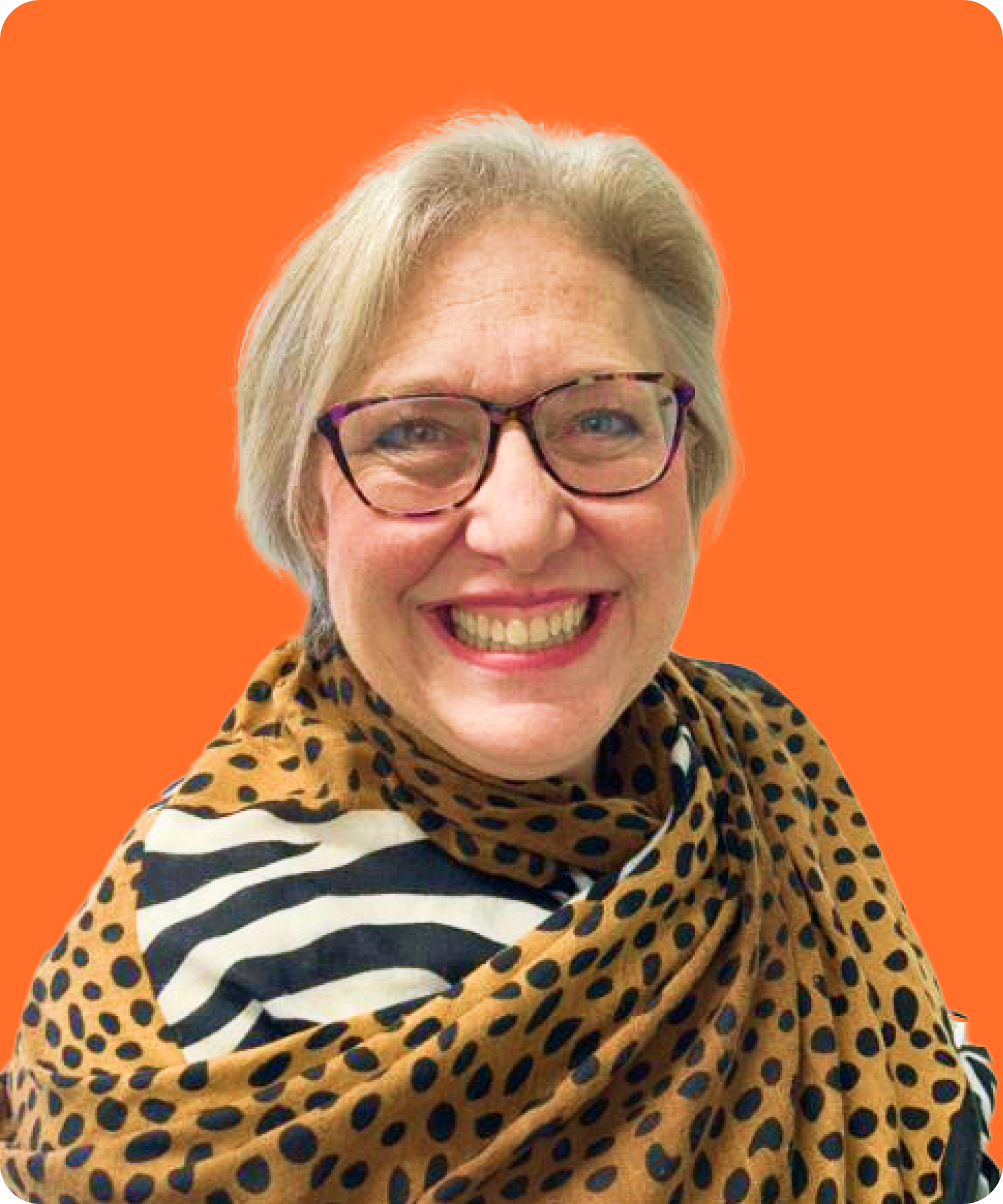
Joss Harding is an award-winning dental hygienist based in Gloucestershire and has been in dentistry for over thirty years. Her passion for helping patients’ mouths before, during and after cancer treatment began in 2016. Joss regularly presents nationally and is passionate about raising awareness of mouth cancer, its side effects and the importance of ongoing care. She is proud to have recently published a peer-reviewed textbook with 56 contributors, “Care of head and neck cancer patients for dental hygienists and dental therapists”, with the royalties donated to the Mouth Cancer Foundation.