

Recommendation
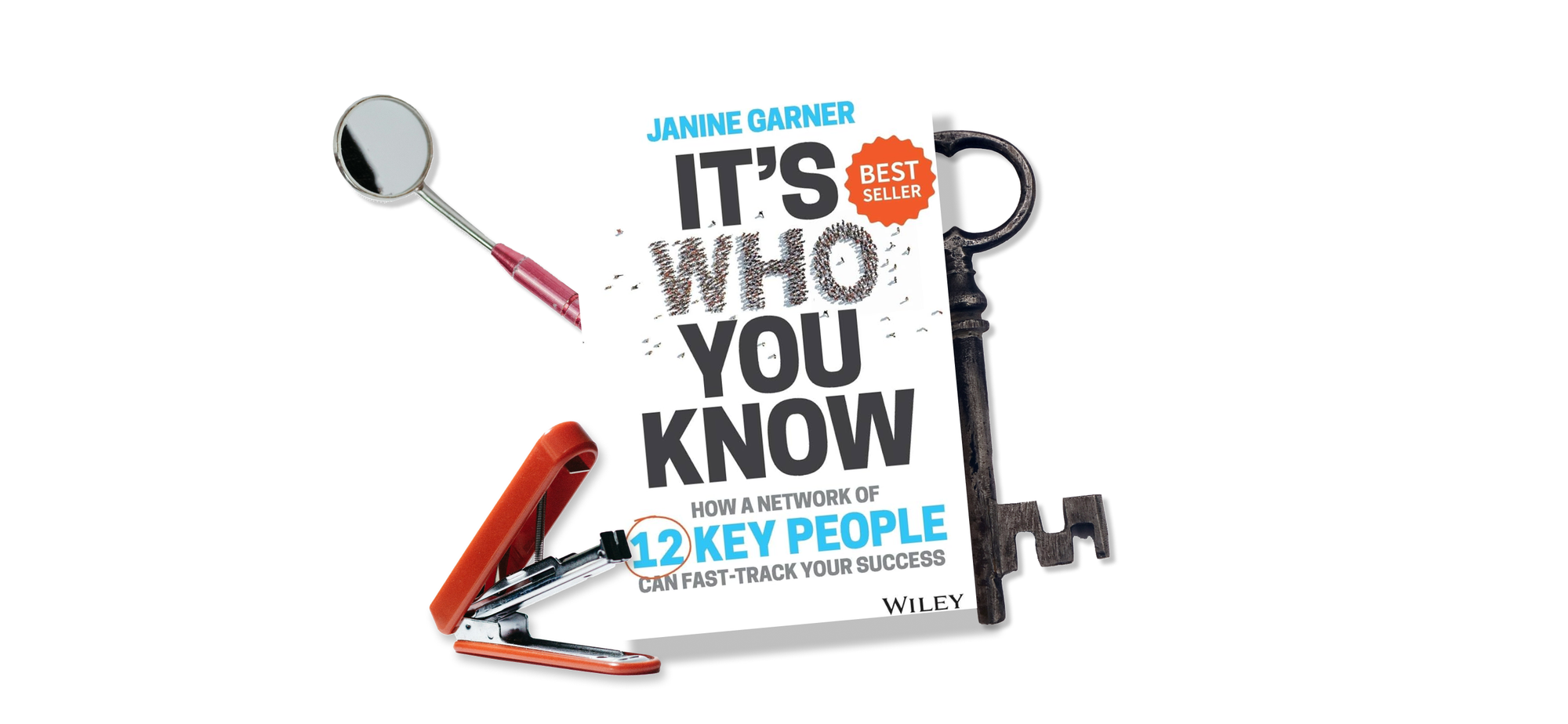
In today’s hyper-connected world, success depends on smart networking. People must network with one another to get ahead. For most introverts, this is a big problem. They don’t know how to network effectively. Most extroverts like the idea of networking per se. However, like introverts, they often don’t know how to network efficiently. They think networking should be transactional, not transformational. This ultimately makes networking a shallow – and usually unproductive – undertaking. Janine Garner – founder of the women’s networking community LBDGroup – teaches introverts and extroverts alike how to tackle networking. She explains why it is essential, how it benefits you, how to manage it and what types of people you should recruit (and avoid). She shows you why your network hinges on four core members and 12 key people you must select carefully. getAbstract recommends Garner’s guide to business students, entrepreneurs, the self-employed and anyone seeking to network effectively.
Take-Aways
- For personal success, heed the 10 rules of networking, which are:
- Make a good first impression, be confident, speak up, listen, take action, swap value, identify yourself, be memorable, be energized and maintain your network.
- Effective networking is a “value exchange.” You and the people in your network deliver mutually beneficial value in a way that transcends a mere “transaction.”
- The people in your network and your relationships with them matter. Talk in depth with them to make your connections meaningful.
- Assess your network, and close any gaps.
- To evaluate your network, “sort” out people. “Search” for your “core four” members. “Seek 12 key people” and “sink” members who could damage you.
- A strong network derives from the “quality, not quantity” of the people in it.
- To maintain your network, recruit valuable members and drop negative people.
- Effective networking requires stepping out of your comfort zone to try new things, including participating in different events and connecting with new people.
- If you lack a network, you’ll miss out on opportunities and possibilities.
Summary
Networking Is Essential
Having a strong network has never been more important, yet few people handle it well. Most folks connect with others in limited, one-dimensional and “transactional” ways. Successful networking is much more than simply collecting business cards, gathering Twitter followers, amassing a small army on Facebook or lining up LinkedIn contacts. These cursory connections are pretty much worthless. Such a paint-by-the-numbers approach is exactly the wrong way to network. Genuine networking calls for having solid knowledge about the people in your network and building deep, positive relationships with them. A worthwhile network is “inspirational” and “transformational,” not merely transactional. Its quality matters more than its quantity, and it includes diverse people with a range of backgrounds, experience and expertise.
“There are ways of giving our confidence a workout, and the more we work it, the stronger our confidence levels will become.”
To take control of the networking process and make it work for you, become the master architect and developer of your network. Decide whom to include and how to get them to join. Connecting with others for networking purposes begins with a three-step process:
- “Reach out” – Tap into the huge existing networks of people and connect with those who offer the possibility of a relationship that offers mutual benefits.
- “Hang out” – Attend the events and frequent the venues that offer the greatest networking promise and possibilities.
- “Link in” – Take full advantage of LinkedIn.
“I’m not the smartest fellow in the world, but I can sure pick smart colleagues.”
– President Franklin D. Roosevelt)
To determine the best behaviors and actions to undertake in building your network, start by learning the 10 essential rules of networking:
- “First impressions count” – Initial impressions shape secondary impressions. According to author Malcolm Gladwell, first impressions almost always are accurate and enduring.
- “Confidence matters” – You will gain additional confidence when you know yourself and your priorities. Author Margie Warrell says that if you act as if you feel self-assured, that’s how you’ll feel. Confident people act as if they have “personal cheering squads.” She suggests using poised body language, rehearsing everything and being sure to “visualize success.”
- “Speak up to be heard” – Change depends on people who aren’t afraid to speak their minds and to challenge accepted wisdom. Author Vera Nazarian explains why telling others what they need to hear builds connections: “Yawns are not the only infectious things out there besides germs. Giggles can spread from person to person. So can blushing. But maybe the most powerful infectious thing is the act of speaking the truth.”
- “Listen to be present” – Networking requires meaningful connection. Create genuine dialogue with the people in your network. You can’t have a real conversation unless you are willing to listen. Focus exclusively on the person in front of you. Pay attention.
- “Become an action taker” – No one will believe in you if you don’t keep your word. Your actions and deeds must match what you say. You can’t network sustainably unless people trust you.
- “Exchange value” – Spread the message, “Giving is as good as getting.” Successful networking derives from what you can give your contacts – a value exchange – by swapping data, goods or services to mutual benefit. Don’t expect or demand anything in return for the value you deliver. You want to “foster a pay-it-forward relationship.”
- “Identify yourself” – Are you a connector, a mentor, a cheerleader or something else? Let the other people in your network know about you, your personality, and the role or roles you play.
- “Be memorable” – Many people in business try to be conformists who do and say what everyone else does and says. This is a sure way to fade quickly into the background. Instead, stand out from the crowd. Make a positive impression that others will remember.
- “Follow your energy” – Meetings energize extroverts. Being alone energizes introverts. Which are you? Figure out your source for the energy you need to operate successfully. The more energy you have, the more attractive you will be to others and the stronger your network will be.
- “Keep your network alive” – To keep your network vibrant, promote the people within it. Connect with them and with people in other networks, add extra value to your network and don’t be embarrassed to ask those in your network for assistance.
Effective Networking
A strong network delivers value at both ends of the connection and acts as “your personal board of advisers.” Motivational speaker Jim Rohn says each person represents the average of his or her five closest contacts – the friends who render wise counsel and advice. These five people function as a sounding board to examine and refine your ideas and as a safety net in the event of setbacks.
“Many of us feel overwhelmed by choice, with no idea where to start when it comes to building a network.”
Your network also serves as your “personal intelligence bank” and your “personal marketing machine.” When properly constructed, your network enables you to substantially expand your understanding of the world. While incredibly diverse, the members of your network share their friendship for you. One good way to set up your network is to offer to “swap a skill for a skill.” The people in your network will work to promote you and help you achieve your goals, as you will for them. Your network’s “collective power” can accomplish a great deal on your behalf.
“Be clear on what your goals and aspirations are, how others can help you achieve them, and how you can help them in return.”
Social media’s digital networks spur one-way connections. Engaging in the digital world, which encourages “disconnection,” is the opposite of genuine networking, which means establishing deep two-way connections with other living, breathing human beings – the “right people,” “diverse people,” people who possess a wide variety of skills.
The People You Want
Carefully choose network members with whom you can create strategic links. Look for people who will share innovative thinking and unique perspectives. As you develop and maintain your network, routinely reassess your members to ensure that your network will continue to meet your needs.
“You are the one who decides whether you are good enough: nobody else.”
Your network should never be a grouping of near strangers merely transacting with one another. Rather, seek to develop a tightly bound group of people with “connected visions and goals” that will prove mutually valuable. A strong network will be diverse – “spanning gender, age, experience, culture, industries, organizations and geographical locations” and “valuing differences of opinion, insight and out-of-the-box thinking. Organizing a quality network involves four essential steps:
1. “Sort”
Assess the status of your current network, including whether you actually have one. Identify all the specific people within your network. Evaluate your network’s breadth and diversity.
2. “Search”
Target the “core four” individuals in your network. Together, these people represent the juncture where your network starts. They are the most important people for you to recruit for your network. Each will perform a specific, valuable function. These four personalities help you “become more, care more, know more” and “do more.” They are:
- “Promoter” – This is your “personal champion” who touts you and your accomplishments, motivates you to do your best, and pulls you toward your ideal future.
- “Pit crew” expert – This facilitator keeps you moving ahead in the right direction and makes sure you learn something useful from any mistakes.
- “Teacher” – This instructor helps you increase your knowledge, serves as a useful role model, and challenges your notions and ideas.
- “Butt-kicker” – This staunch supporter provides the most objective feedback and demands that you remain accountable for what you do and say.
3. “Seek”
Now that you’ve targeted and enlisted the four crucial personalities who together serve as the vital bedrock of your strategic network, it’s time to expand that network. Identify the “12 key people” you must have in your network. If you offer value to them and listen to them, they will turbocharge your success and help you take advantage of new opportunities. These contacts must be willing to engage in “deep conversations about your career progression and growth.” Make sure these12 dynamic personalities are an active part of your network:
- “Cheerleader” – Your “number one fan” encourages you to do more.
- “Explorer” – This adventurer spurs you to try new paths, think innovatively, and “question why, who, what, where, when and how.”
- “Inspirer” – This big-picture visionary ignites the fire within you, energizes you to do your best, and fuels your plans and dreams.
- “Lover” – This intimate partner cares about your personal well-being.
- “Connector” – This “broker of information and contacts” ensures that all necessary doors open to you.
- “Balancer” – This level-headed colleague helps you keep your personal and professional goals on track and ensures the major elements of your life stay “aligned and in check.”
- “Influencer” – This leader can help you make better decisions. You want to emulate his or her success.
- “Professor” – This teacher presents you with new ideas and fresh insights, helping you “think better, think deeper and think differently.”
- “Architect” – This planner helps you map out your future, including the next steps you must take to reach your goals.
- “Truth-sayer” – The most important judgment you make is “the one you have of yourself.” This trustworthy person helps you make ethical decisions.
- “Accelerator” – This go-getter helps you move efficiently ahead.
- “Mentor” – Everyone needs a mentor to provide valuable counsel and wise advice.
4. “Sink”
Disassociate yourself from “12 shadow archetypes” in your network. Your networking efforts shouldn’t be only additive – connecting with the right people. They also should be reductive – disconnecting from people who can hurt, impede or influence you in the wrong way. Avoid these 12 shadow archetypes:
- “Saboteur” – Will do anything to hurt and ruin you.
- “Back-stabber” – Enjoys betraying or embarrassing you.
- “Dream-stealer” – Acts like your friend but will undermine you.
- “Traitor” – Is two-faced and totally untrustworthy.
- “Narcissist” – Focuses only on him- or herself and will do nothing for you.
- “Energy vampire” – Never says anything positive about anybody.
- “Skeptic” – Is certain anything you say, do or think lacks merit.
- “Labeler” – Assigns you to a totally confining box.
- “Villain” – Is mean, malicious and manipulative.
- “Bully” – Works overtime to intimidate and humiliate.
- “Liar” – Withholds the truth or spins it to your detriment.
- “Critic” – Speaks ill of anything you want to do.
Self-Knowledge
Effective networking requires being aware of your personal brand’s “who, what and why.” Ask yourself what you’re passionate about, why you want to network, why your vision is for your future, and “what help and support” you need to reach your objectives.
“A small, strategic and supercharged network relies on collaboration and connection. But most of all the process must be fun! Don’t forget to enjoy the ride and the journey as the magic happens.”
Leverage your strengths to network with positive people. Meeting new people can take courage. You must be willing to move beyond your comfort zone. Your network won’t grow organically without your effort. Be proactive in creating a strong network that will deliver the results you want. Monitor and assess your network to ensure it stays strong. Many people foolishly turn networking into “hard work.” Instead, make strategically smart choices that will let you have fun while building and participating in your network.
About the Author
Janine Garner, a partner at Thought Leaders Global and the founder and CEO of the LBDGroup, facilitates workshops on how to build connected networks that accelerate success.

getAbstract maintains complete editorial responsibility for all parts of this abstract. All rights reserved. No part of this abstract may be reproduced or transmitted or used for training any machine learning system in any form or by any means – electronic, photocopying or otherwise – without prior written permission of getAbstract AG (Switzerland).