
“As scientific understanding of the oral–systemic connection continues to evolve, the need for an integrated, team-based approach to healthcare becomes more apparent.”
— Alsubaie et al., 2024
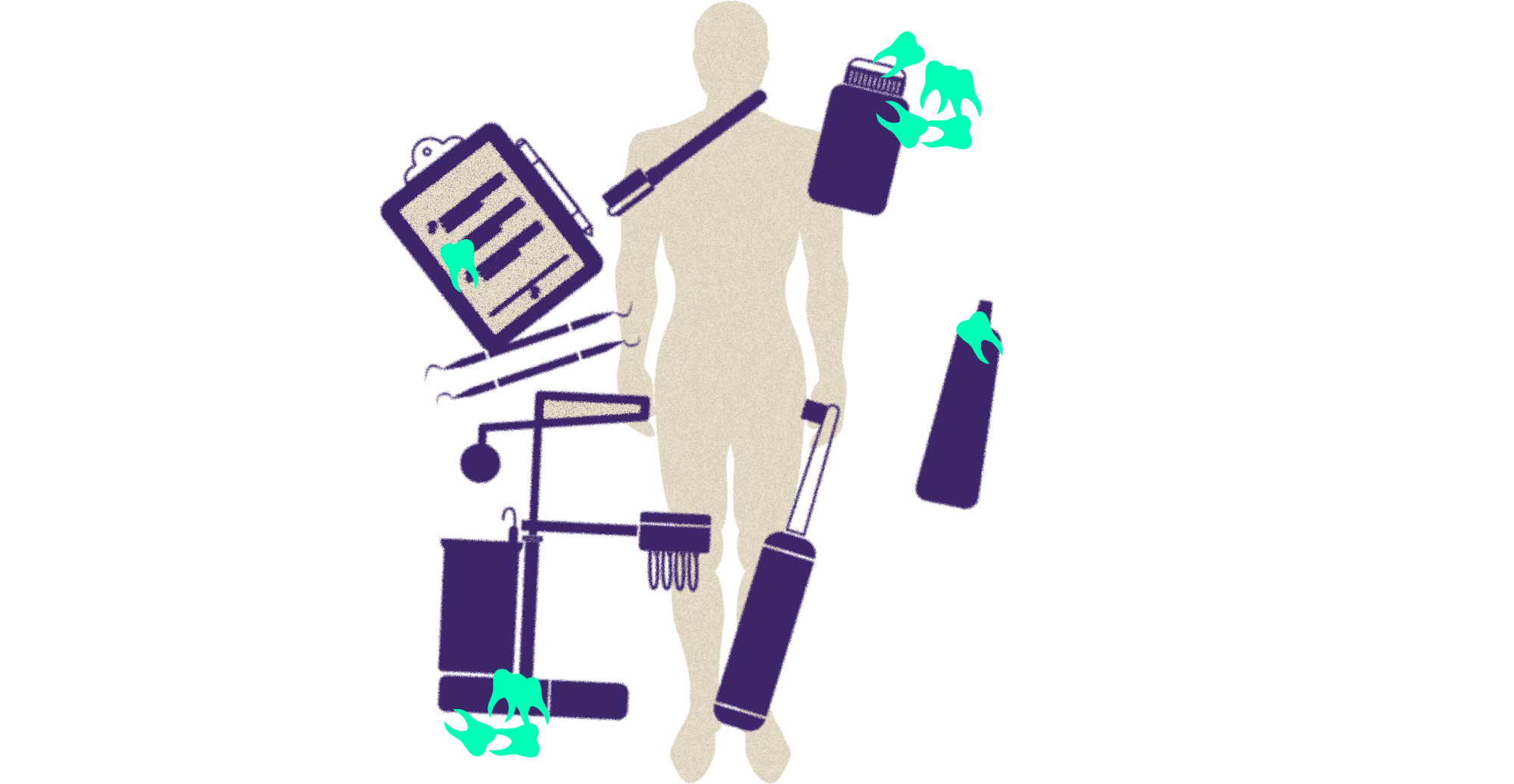
In the article The Plaque Puzzle (Journal of Ecohumanism), Alsubaie and colleagues call for a restructured dental ecosystem where dentists, lab technicians, nurses, and even phlebotomists collaborate to detect and manage systemic disease through the oral microbiome.
Open question
Imagine your clinic in five years. The oral–systemic connection is part of everyday care. Salivary diagnostics are routine. You collaborate with physicians and lab technicians. Your patients understand how their mouth affects their body.
What does your practice look like?
- What tools and technologies do you use?
- How is patient education different?
- How are roles within your clinic more collaborative?
- How do you communicate with other healthcare professionals?
- What changed most in your workflow — and why?
While thinking about the answers to these questions, you can take inspiration from the article by Alsubaie et al. (2024), where:
- General dentists lead diagnosis, guide treatment, and coordinate interdisciplinary care.
- Dental hygienists carry out prevention, biofilm management, and patient coaching.
- Lab technicians analyse salivary and microbial data for more precise risk assessment.
- Nursing technicians reinforce patient education and post-treatment care.
- Phlebotomists (in integrated or referral-based settings) may support systemic health tracking through inflammatory markers.
Optional: Download the case inspiration and full article by Alsubaie et al.
Use this exercise to reimagine your clinic’s workflow, communication, and mission.
Up next: Ten essential studies for understanding the oral microbiome