
Recommendation
According to blogger James Clear, the small changes and choices you make every day affect your results. If you aren’t achieving your goals, make minor adjustments to grow into the person you seek to become. Clear uses the rags-to-riches story of the British cycling team to illustrate his points – perhaps an ill-advised analogy considering the doping allegations surrounding the team. Nevertheless, Clear’s tips on habit formation offer both inspiration and practical guidance that will help you make lasting changes in your life.
Take-Aways
- When the “mediocre” British cycling team sought out numerous “1% improvements,” it went on to a series of Tour de France victories.
- To forge better habits, follow a four-step framework: First, employ “implementation intention” to help you stay clear about why you’re implementing a habit.
- Second, change your physical environment in ways that prompt good behavior and deter bad behavior.
- Third, repetition is paramount to improvement. Practice getting started.
- And fourth, to stay on the right path, seek out small hits of immediate gratification by marking your daily practice on a calendar, creating a chain of progress.
Summary
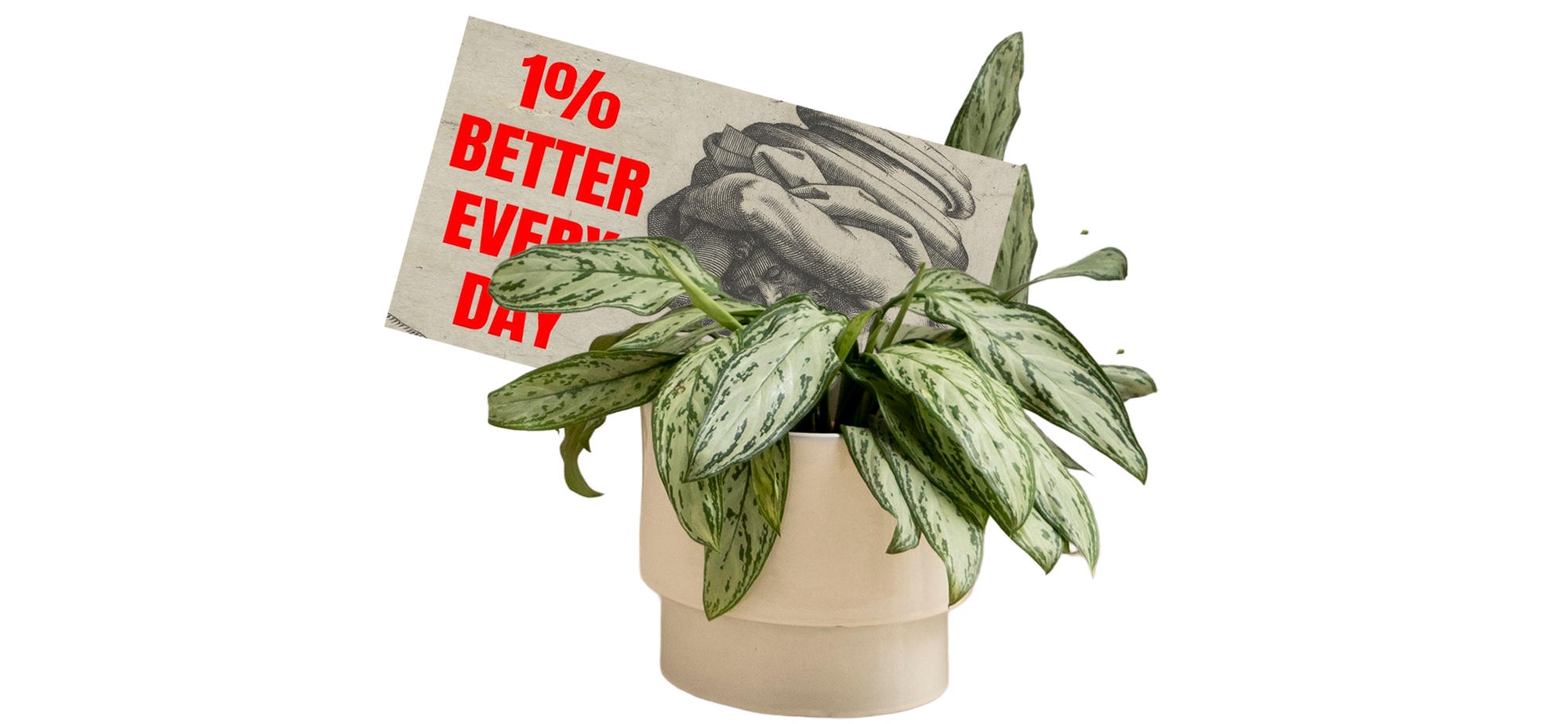
Dave Brailsford coached the British cycling team to Tour de France victory by seeking out numerous “1% improvements” that would compound to produce serious transformation. Until Brailsford’s appointment, the team was mediocre. After just two years of applying incremental improvements – such as introducing ergonomic saddles and finding the massage gel that helped riders recover fastest – the team won the Tour de France, as well as three of the subsequent four tournaments. Piecemeal improvements are critical to achieving game-changing results. To form better habits, follow a four-step framework:
- “Noticing” – Studies have found that people are more likely to stick to a new habit if they employ “implementation intention” – that is, a clear plan of where, when and how they will practice. Such clarity matters more to forging a new habit than either willpower or motivation. Conduct a “failure premortem” to envisage how you might fail in the future in order to forestall any obstacles you could potentially encounter.
- “Wanting” – To forge a new habit, change your physical environment to encourage good behaviour and deter bad behaviour.
- “Doing” – Repetition is paramount to improvement. When a photography professor graded half his class on the quantity of the work they submitted and the other half on the quality of a single photograph, the quantity-focused students attained the best grades. They honed their skills while taking more snaps. Practice getting started by adopting the “two-minute rule”: If a task requires just two minutes, do it right away. Most new habits require more than two minutes, but “any habit can be started in less than two minutes.” Dancer Twyla Tharp saw the process of hailing a cab to take her to the gym as the start of her workout routine. Once she got in the car, she knew she would complete her session.
- “Liking” – People repeat tasks they enjoy doing. Adopting good habits is hard and requires foregoing immediate gratification. For example, a few weeks may pass before you notice the physical benefits of a new exercise regimen. To stay on the right path, seek out small hits of immediate gratification by marking your daily practice on a calendar. If you miss a day, get back on track the next day. Don’t let yourself miss two days running or you will break your chain of progress.
About the Speaker
Blogger James Clear is an author, entrepreneur and photographer.

getAbstract maintains complete editorial responsibility for all parts of this abstract. All rights reserved. No part of this abstract may be reproduced or transmitted or used for training any machine learning system in any form or by any means – electronic, photocopying or otherwise – without prior written permission of getAbstract AG (Switzerland).